
Celest · Buyer handbook
A practical introduction to documents, terminology, site visits, and progress reports.
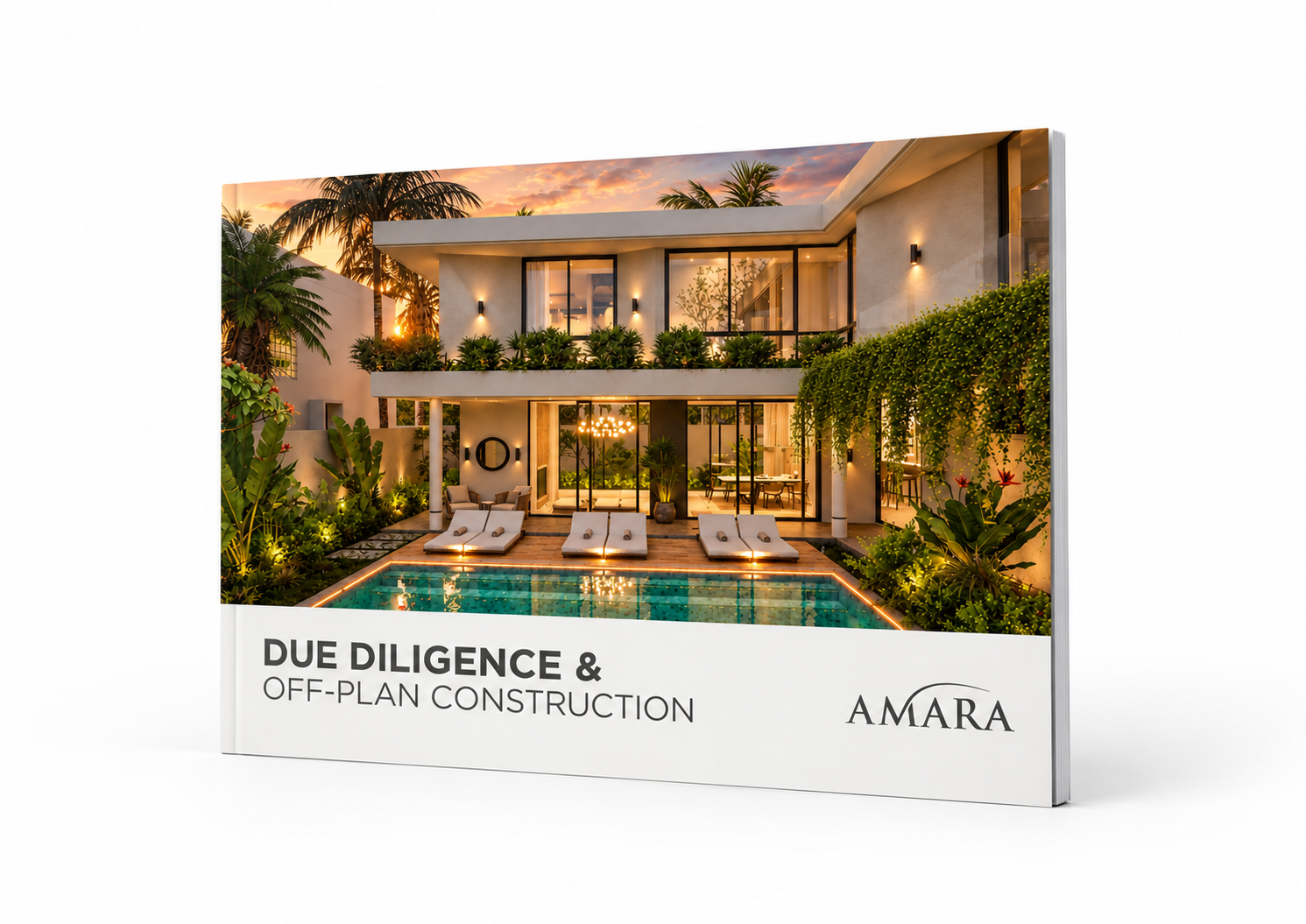
Chapter 01
Due diligence brings the relevant documents, parties, and obligations into a structured review before you commit. This handbook shows the questions to take to your legal adviser, developer, and operator.
Request the land documentation and identify the parties involved in the proposed transaction. Ask your adviser to explain how the documents relate to the agreement you would sign.
Review the starting date, expiry date, extension conditions, transfer provisions, and costs stated in the agreement.
Request the relevant zoning, building, and operating documentation. Review the intended use and management agreement with suitable advisers.
Understand the payment triggers, delivery obligations, change process, delays, handover requirements, and defect provisions.
Chapter 02
Plain-language terminology panels help a buyer know what to ask for. Project-specific legal definitions will be completed by the client’s legal team.
A structured review of the evidence and proposed agreements before a purchase decision.
Legal-team definition placeholder: explain the title, named holder, and its relationship to this transaction. This entry does not imply a foreign buyer can acquire that title.
A contract term whose duration, parties, rights, and conditions should be reviewed in the actual agreement.
Legal-team glossary placeholders: add the correct permit and certification definitions, status, and relevance to the project.
A documented inspection and issue list used to track unfinished work or defects before or around handover.
Chapter 03
Use site visits and construction reports to ask focused questions and keep a consistent evidence trail. Technical quality should be assessed by an appropriately qualified inspector.
Record the date, villa number, report author, and areas inspected. Use comparable viewpoints in progress photographs.
Compare the visible work with the agreed construction stage, specifications, and drawings. Ask about discrepancies.
Ask for clarification of proposed substitutions or design changes and how they are approved under the agreement.
Describe the issue, attach supporting evidence, and record the responsible party and agreed follow-up.
Chapter 04
A useful construction report explains what has changed, what remains unfinished, and which actions are due next.
Look for dated photographs, a stage summary, next activities, deviations, and unresolved questions.
Read the report alongside the actual contractual payment schedule. Clarify how progress evidence and payment triggers relate.
Review the agreed inclusions and arrange the relevant technical inspection. Record unfinished work and defects.
Confirm the required completion documents, warranties, manuals, keys, and operating arrangements in the agreement.
Educational draft. The final handbook requires legal and construction-team review and does not certify any specific property.

Celest Villas by Amara Estate © 2026. All rights reserved
Celest Villas
Leave your details and we’ll send you the Celest buyer handbook: due diligence, key documents and terms, site visits, progress reports and handover.
We respect your privacy. Your details are never shared.
